The release of King County’s 2026 Point-in-Time (PIT) Count raises a question many people ask every year: if our region continues to invest in homelessness services, why does homelessness continue to increase?
The short answer is that homelessness is not a static population. The homelessness response system is a dynamic system in which thousands of people enter and exit homelessness every year. The primary challenge facing King County is not a lack of exits from homelessness. The primary challenge is that too many people continue to experience homelessness.
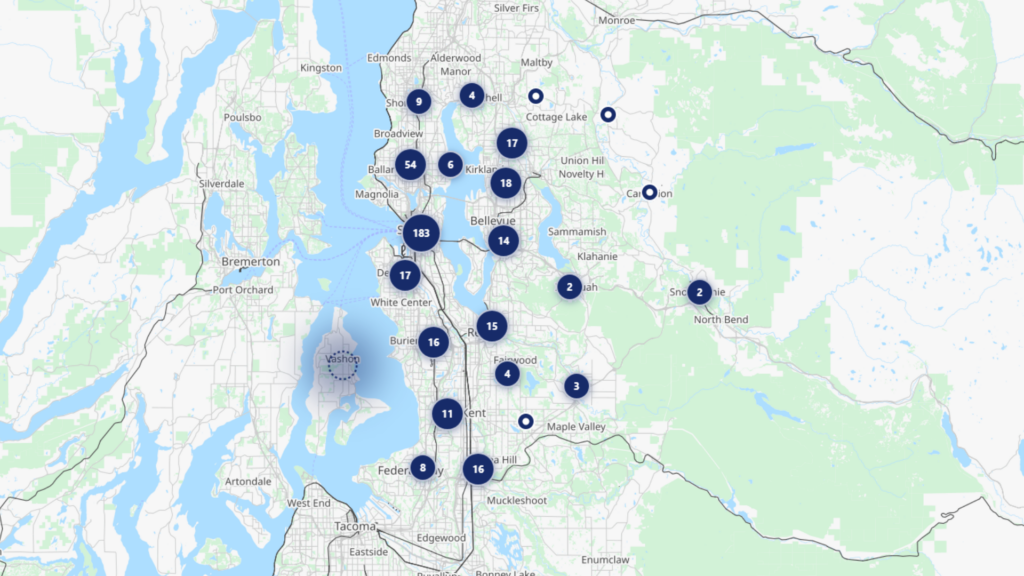
The 2026 PIT Count estimates that 18,365 people were experiencing homelessness on a given night in King County, an increase of 9 percent from 2024. While homelessness continues to grow, this increase is substantially smaller than the 26 percent increase observed between 2022 and 2024.
Importantly, the PIT Count is a snapshot. It tells us how many people are experiencing homelessness on a single night, but it does not tell the full story of how people move through the homelessness response system over the course of a year.
Each year, approximately 17,000 people exit homelessness programs or services through shelter, diversion, rapid re-housing, permanent supportive housing, and other interventions. During that same period, approximately 18,000 people enter homelessness in King County. Over the course of a year, the Homelessness Response System engages tens of thousands of people through service providers, outreach teams, shelters, housing programs, healthcare providers, and community organizations—far more than are captured in the PIT Count’s single-night snapshot.
This means homelessness continues to increase not because people are not moving through the system, but because inflow remains slightly higher than exits and housing instability continues to affect many households.
Public discussion often focuses on the most visible aspects of homelessness: people living outdoors, encampments, and individuals experiencing long-term or chronic homelessness. Those challenges are real and deserve continued attention. However, they represent only part of a much larger system. Every year, thousands of people experience homelessness for the first time. Thousands more reconnect with family, move into housing, access shelter, or otherwise stabilize their situation. Much of this movement occurs outside the public view.
Why do so many people continue to enter homelessness?
Research consistently shows that homelessness is strongly connected to housing affordability and housing availability. Communities with high housing costs and limited affordable housing generally experience significantly higher rates of homelessness than communities with similar poverty levels but lower housing costs.
As University of Washington researcher Gregg Colburn has observed, Seattle has fewer people living in poverty than Detroit on a per-capita basis, yet experiences significantly higher rates of homelessness. The difference is not poverty alone. It is what happens when low incomes collide with a housing market where rents remain out of reach for many households.
For older adults, people living with disabilities, and households surviving on fixed incomes, the challenge can be especially severe. In the Seattle region, the cost of even modest housing often far exceeds what many vulnerable residents can afford. A single unexpected crisis such as a medical event, job loss, family disruption, or rent increase can place a household at risk of losing housing.
The same housing pressures affect the homelessness response system itself. While permanent housing resources have grown in recent years, shelter capacity has remained relatively flat. Family shelter capacity declined during this reporting period, contributing to increases in unsheltered family homelessness. The loss of family shelter capacity illustrates how even relatively small changes in available resources can have measurable impacts on vulnerable populations. Demand for Permanent Supportive Housing — one of the most effective interventions for people experiencing chronic homelessness — continues to far exceed available supply, with available units often receiving many more eligible referrals than can be served.
Why are some cities reporting declines while King County continues to see growth?
One question that naturally follows the release of the PIT Count is why some communities have recently reported declines in homelessness while King County continues to experience growth. The answer is not always straightforward. Different communities face different housing markets, shelter systems, population pressures, and policy environments. In some places, substantial investments in shelter, housing, outreach, or behavioral health services have contributed to measurable reductions in visible homelessness or declines in PIT Count estimates. Those factors demonstrate that progress is possible and provide important lessons, but they do not eliminate the broader housing and affordability pressures that continue to shape homelessness trends across many high-cost regions.
At the same time, homelessness trends cannot be explained by any single program or annual data point. King County continues to experience some of the highest housing costs in the nation, significant demand for affordable housing, and continued inflow into homelessness. While approximately 17,000 people exit homelessness programs or services each year, new entries continue to exceed exits. The result is a system that is helping thousands of people move toward stability, while still facing more demand than existing resources can fully absorb.
This reality helps explain why homelessness remains such a persistent challenge.
The most important question may not be how many people exit homelessness each year, but whether communities are reducing the number of people who enter homelessness in the first place. Long-term progress depends on both sides of that equation.
The homelessness response system can help people move from homelessness into housing, but it cannot by itself solve the broader housing shortages, affordability challenges, and economic pressures that continue to drive new inflow.
The 2026 PIT Count highlights both the scale of the challenge and the progress being made. Thousands of people successfully exit homelessness into housing each year. At the same time, not every program exit is a permanent exit from homelessness, and too many households remain one crisis away from losing housing stability.
Reducing homelessness over the long term will require both effective crisis response and sustained investments in affordable housing, supportive housing, behavioral health services, and prevention efforts that reduce inflow while helping more people achieve lasting housing stability.
The data suggest that progress is possible, but lasting progress requires both helping people exit homelessness and reducing the conditions that cause people to lose housing in the first place.
The Point-in-Time Count provides an important snapshot of where we are today. The broader challenge our region faces is ensuring that fewer people enter homelessness tomorrow.
William Towey
Associate Deputy of Strategy, KCRHA